7 Early Signs of Type 2 Diabetes You Shouldn’t Ignore
Blog Events Health News 4th June 2026 Enquiries & appointments
Diabetes affects millions of people across the UK, yet many people remain undiagnosed for years. Current estimates suggest that around 1.3 million people in the UK are living with undiagnosed type 2 diabetes*.
One of the biggest challenges is that symptoms often develop gradually and can easily be overlooked. During Diabetes Week, it is important to raise awareness of the early warning signs and encourage people to seek assessment sooner rather than later. Early diagnosis and treatment can significantly reduce the risk of long-term complications affecting the heart, kidneys, eyes and nerves.
Common signs people often ignore
One of the most searched questions online is: “How do I know if I have diabetes?”. Symptoms such as excessive thirst, fatigue and blurred vision can develop gradually and are often overlooked. [NHS].
While symptoms can vary, some of the most common early signs include:
-
Increased thirst

Feeling unusually thirsty throughout the day can occur when excess glucose builds up in the bloodstream. The body tries to remove this extra sugar through increased urination, which can lead to dehydration. As a result, many people find themselves drinking far more than usual to keep up with the fluid loss.
-
Frequent urination
Many people with undiagnosed diabetes notice they are needing the toilet more often, especially during the night. This happens because excess glucose in the blood spills into the urine, pulling more fluid with it. Some individuals may also experience recurrent urinary tract infections as a result of these changes.
-
Persistent tiredness

Fatigue is another frequent complaint. When the body struggles to process glucose properly, cells do not receive the energy they need efficiently, leaving people feeling constantly tired or lacking energy.
-
Blurred vision
High blood sugar levels can temporarily alter the shape of the lens inside the eye due to osmotic fluid shifts. This can cause blurred vision or difficulty focusing. Vision usually improves once blood sugar levels are brought back under control.
-
Slow healing
Cuts, bruises, or infections that take longer than usual to heal can be a sign of elevated blood glucose levels. High sugar levels can impair circulation and affect the body’s ability to repair tissues, making recovery slower than expected.
-
Unexplained weight changes

Some people experience unexpected weight loss despite eating normally, as the body struggles to use glucose effectively and begins breaking down fat and muscle for energy. Others may notice gradual weight gain linked to insulin resistance. Both patterns can occur in the early stages of diabetes.
-
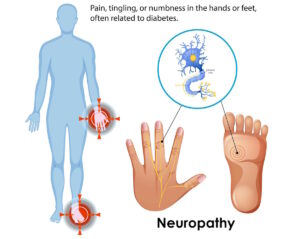
Tingling or numbness
Pins and needles, tingling, or numbness in the hands or feet may develop when persistently raised blood sugar begins to affect the nerves. This early nerve irritation, known as peripheral neuropathy, can worsen over time if blood sugar levels remain high.
Why early diagnosis matters
Type 2 diabetes doesn’t just affect blood sugar levels. If left untreated, it can increase the risk of:
- Heart disease
- Stroke
- Kidney disease
- Vision loss
- Nerve damage
Identifying diabetes early allows people to access the right support sooner, helping reduce these risks and improve long‑term health outcomes. Many individuals are surprised to learn they may have been living with prediabetes or diabetes for years before receiving a diagnosis.
As Dr Nalin Wijesekara explains:
“Type 2 diabetes often develops gradually, which means many people dismiss the early symptoms or don’t recognise them at all. Identifying the warning signs early and seeking assessment sooner can make a significant difference to long-term health outcomes.”
Who is more at risk?
Certain factors can increase the likelihood of developing type 2 diabetes, including:
- Being overweight — excess body fat, particularly around the abdomen, can make the body more resistant to insulin.
- Family history of diabetes — having a close relative with diabetes increases your risk.
- High blood pressure — hypertension and diabetes often occur together and share similar risk pathways.
- High cholesterol — unhealthy cholesterol levels can contribute to insulin resistance.
- Lack of physical activity — regular movement helps the body use insulin more effectively.
- Previous gestational diabetes — women who develop diabetes during pregnancy have a higher chance of developing type 2 diabetes later in life.
- Polycystic ovary syndrome (PCOS) — PCOS is associated with insulin resistance, increasing long‑term risk.
Age also plays a role. The risk rises particularly after age 40, although younger adults, and even teenagers, are increasingly being diagnosed.
Can type 2 diabetes be prevented?
One of the most encouraging aspects of type 2 diabetes is that lifestyle changes can make a meaningful difference. For many people, improving diet, increasing physical activity, and achieving sustainable weight loss can help improve blood glucose control and reduce long‑term health risks.
Early intervention is especially important. In some cases, taking action during the prediabetes stage can delay or even prevent progression to type 2 diabetes altogether. [Diabetes UK]
Expert diabetes support at KIMS Hospital
At KIMS Hospital we provide prompt, specialist support for the diagnosis and treatment of diabetes. Our Consultants work closely with you to ensure you receive expert guidance tailored to your individual needs.
Our endocrinology services available at KIMS Hospital, Sevenoaks Medical Centre and The Royal Tunbridge Wells Clinic include the latest developments in diabetes care, alongside specialist tests to investigate complex endocrine conditions. Our Consultants are supported by a multidisciplinary team, who can offer practical advice to help you manage long-term conditions such as diabetes on a day-to-day basis.
When should you seek medical advice?
If you are experiencing symptoms such as excessive thirst, fatigue, blurred vision or frequent urination, it is important not to ignore them. A simple assessment and blood test can often provide valuable answers and allow treatment to begin early. Taking a proactive approach to your health could make a meaningful difference to your long-term wellbeing.
Learn more about our diabetes services and book an appointment
Article produced by

KIMS Hospital, Sevenoaks Medical Centre