Men’s Health: Breaking Down Barriers to Seeking Support
Blog Events Health News 6th November 2026 Enquiries & appointments
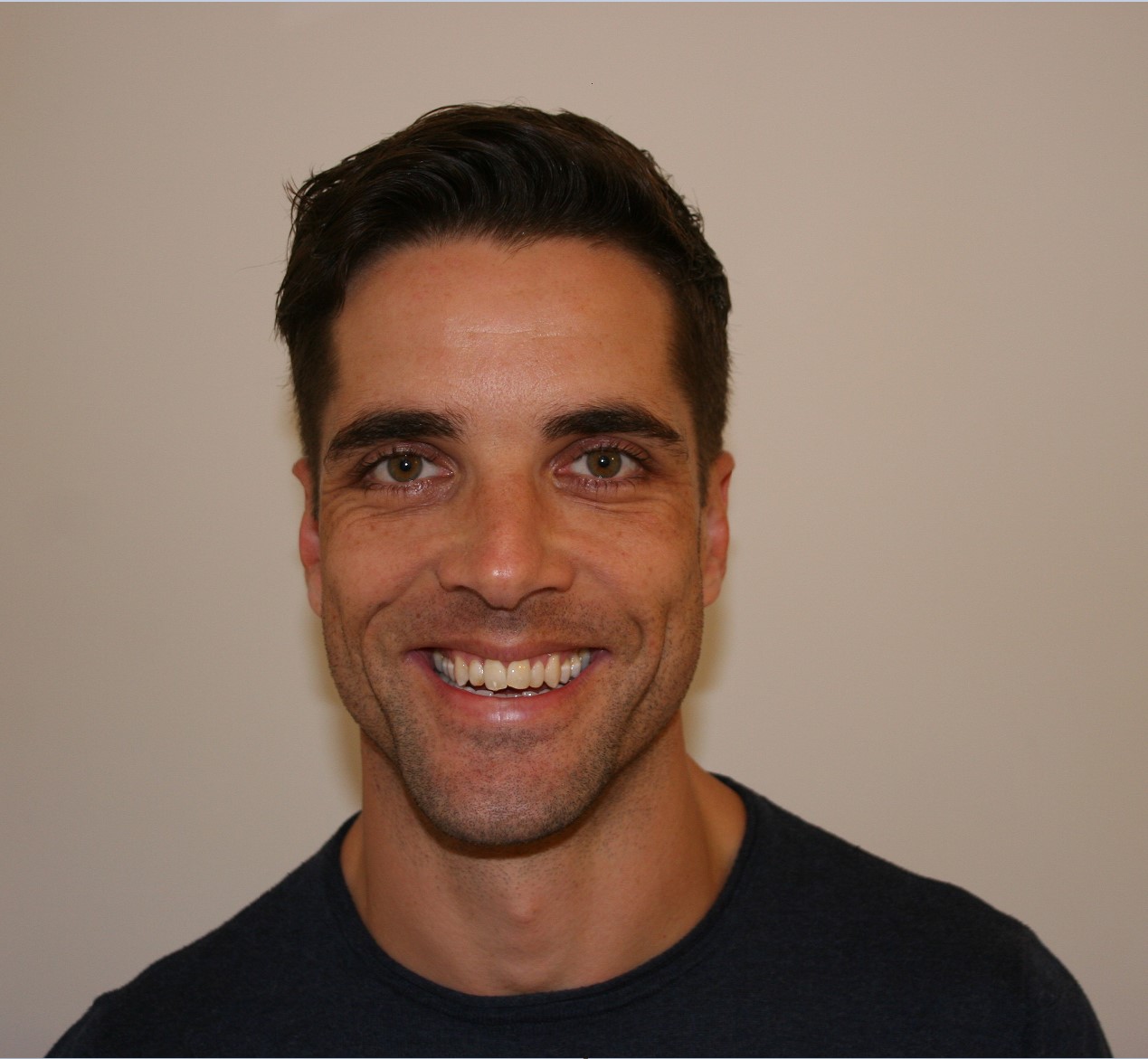
We met with our Counselling Psychologist and Psychotherapist Dr. Nathan Faulkner to discuss some key men’s health issues and the importance of seeking support and treatment when needed.
How do physical and mental health issues affect each other?
Many mental health experiences such as anxiety, depression and panic often include very powerful physical sensations such as irregular breathing, churning stomach and feeling exhausted. Similarly, our physical health can have a major impact on our mental health. Our expectations about an illness or diagnosis, including worries about worst case scenarios, as well as the stress caused by health conditions can all have a significant effect on our mental state.
Worries about physical health can also trigger ideas and myths men have about what it is to be male and the social expectations surrounding this identity which can add another level of worry and stress.
Why might some men not seek support for their health and mental health?
As a resent government report stated, “It can be tough to be a man in today’s society”. Help seeking behaviours are heavily influenced by social and cultural expectations surrounding gender and are shaped by the ways in which gender identities developed within our family. There also exist embedded stereotypes about masculinity which can result in men sometimes feeling that talking about physical or mental health issues might feel embarrassing or even a sign of weakness. In my work with male clients, I often hear men use the term ‘man up’ in relation either to their own expectations of themselves or expectations they feel others have of them. Added to this, qualities and traits that are often attributed to masculinity within our Western society such as self-reliance and strength can represent major barriers to men feeling able to seek support when they have concerns about their health or mental health.
Holding the belief that we should ‘just get on with it’ can sometimes result in people telling themselves that no one is able to help them; this can mean they don’t seek support from a professional who is trained to support them.
How can friends and loved ones’ support men to open up and talk more?
It can be extremely hard to see someone we love and care about dealing with things that are causing them distress or discomfort. You don’t have to be a mental health professional to offer valuable support though. If we know someone is finding something difficult, simply listening without placing any pressure on yourself or the other person to necessarily ‘fix’ anything can allow someone the chance to express what’s going on for them. Taking the first step to talk to someone about how your feeling takes a great deal of courage so if someone opens up, being non-judgemental when listening to them is important.
Normalizing the need to seek support can also help a person to view contacting a mental health professional not as a sign of weakness but as an active step to learn new ways of moving forward.
How does talking about health issues help men cope better?
Meeting with a psychologist or psychological therapist is not only for people who are in crisis. I regularly meet with those who would like to identify ways they might improve their mental and/or physical health or cope better with dealing with physical symptoms, medical regimens and a change in lifestyle. Equally, not everyone comes to sessions with a clear goal of what they would like to achieve, they are just aware something feels ‘off’ for them.
Whilst talking to someone who specialises in working with mental health can be helpful, research has shown that men can also find self-help and online support helpful even if this is as a first step. Organisations such as the Men’s Health Forum and the Men’s Shed offer a good place to start and can sometimes be helpful as a first step in seeking help and support.
What services are available at KIMS Hospital for men that would like support with their mental health?
The service I provide at KIMS Hospital offers people the opportunity to meet and talk about what they are experiencing in a safe and non-judgemental environment. For some people, having the chance to openly discuss their thoughts and feelings during an initial consultation is helpful and sometimes sufficient as a first step, whereas for others, more sessions might be helpful to allow time to explore things in more depth, develop coping skills, or address more significant difficulties.
Through meeting and talking together, sessions offer the chance for people to not only clarify their understanding of what they’re experiencing but also identify ways in which they might move forward. Having worked in the field of health and mental health for over 20 years I’ve supported people who were experiencing distressing mental health experiences, those living with long-term health conditions or who are living with significant changes following illness or surgery, as well as individuals who would like to adopt a proactive approach to their physical and mental health in the future.
Article produced by
KIMS Hospital