How Physiotherapy Can Support Pregnancy and Postnatal Recovery
Blog Events Health News 24th September 2026 Enquiries & appointments
During pregnancy and birth, a women’s body undergoes an incredible transformation to grow and deliver a baby. Whether you have a vaginal birth or a caesarean delivery, it will take time to recover and this experience will be different for everyone.
It is normal for your pelvic health to change during these times, which is why you can benefit from specialised support. Pelvic health physiotherapists are able to support your changing body through pregnancy, help prepare your body for birth and optimise your post-natal recovery.
How Physiotherapy Can Help During Pregnancy
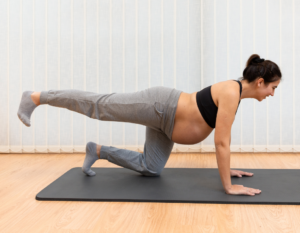
During pregnancy our pelvis becomes more mobile, our posture and centre of gravity alter, our abdominal muscles lengthen and our pelvic floor muscles have to support a steadily increasing weight as the uterus expands. Below is a list of common pregnancy symptoms that women’s health physiotherapists are able to help with:
- Pelvic girdle pain (PGP): pain experienced anywhere in the pelvis including pubic symphysis dysfunction
- Back, rib and hip pain
- Bladder issues such as urinary incontinence (leaking)
- Bowel issues such as constipation and urgency
- Advice on abdominal muscle separation (diastasis rectus abdominus)
We are also able to offer advice around exercising during pregnancy, and help with birth preparation.
Did you know that it’s a good idea to get your pelvic floor checked before you give birth?
Having an understanding about where your pelvic floor is, and whether it’s contracting and relaxing in the way that it should be before having your baby, can help you during labour and post-natally. Strength and tone of the pelvic floor muscles are important, but it’s also important that your pelvic floor knows how to let go and lengthen when it comes to delivering a baby. We can check all of this for you.
How Physiotherapy Can Support Postnatal Recovery
 Recovering after pregnancy and childbirth takes time, and every woman will experience this differently. Your post-natal body will be different to your pre-natal body, and women’s health physiotherapists can help guide you through your recovery, and empower you to get back to doing the things you want to be able to do.
When Should You See a Women’s Health Physiotherapist?
Everyone can benefit from having a post-natal assessment, regardless of the type of delivery you have, or whether or not you have any symptoms. It is recommended to wait until 6 weeks after you give birth before coming in for an assessment, but it’s never too late. Whether you are weeks, months or years post birth, we are here to help.
During a post-natal assessment we are considering your whole body, but with a particular focus on your:
- Abdominal wall: it is inevitable that your tummy muscles will stretch throughout pregnancy, so we will check that they are functioning well, assess for any diastasis (abdominal separation) and offer advice and rehabilitation around this when needed.
- Pelvic floor: we can assess the strength and function of the pelvic floor muscles, and help address any concerns, including concerns around incontinence, pelvic organ prolapse, perineal tears, bladder and bowel issues and dyspareunia (pain with intercourse). Assessing the pelvic floor will usually involve an internal exam.
- Musculoskeletal health: as physiotherapists, we can also assess your wider musculoskeletal health and help with any aches and pains that may have developed since having your baby. Common areas of concern postnatally include back, neck and shoulder pain, as well as wrist and thumb pain.
Returning to Exercise After Pregnancy and Birth
 We understand the many benefits of exercise, and are passionate about helping women to exercise safely. There is no set timeline or one-size-fits-all approach to returning to exercise after having a baby. A women’s health physiotherapist can help you understand where your body is in its recovery, and make a plan that allows you to get back to doing the exercise you love, safely and with consideration for optimising your pelvic health not only now, but for the future.
CALL OUR TEAM TO BOOK YOUR APPOINTMENT
Article produced by
KIMS Hospital